


Best Gaming Keyboard: What You’re Actually Paying For When The Price Jumps
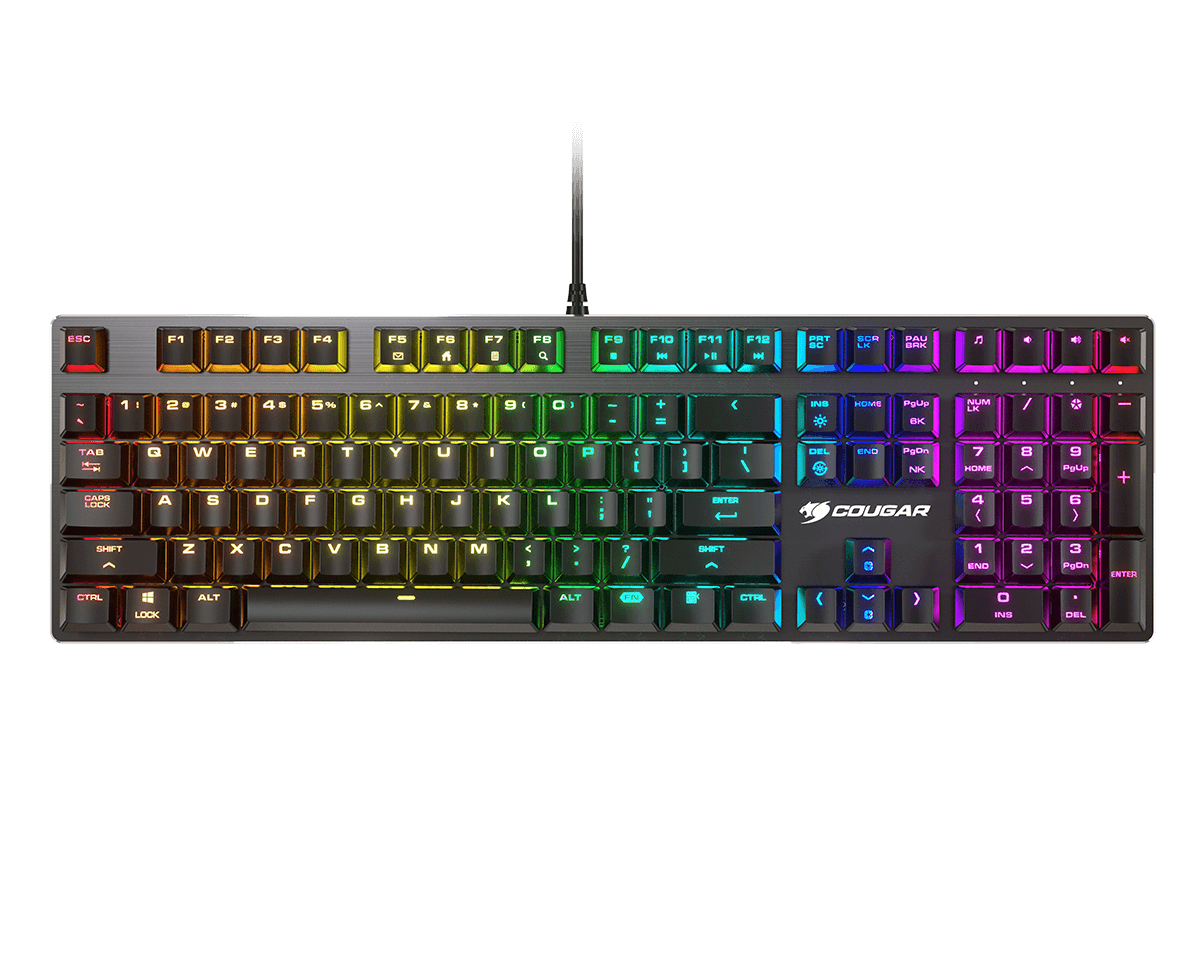
Had a customer once standing at the counter holding two keyboards, both black, both lit up with RGB, honestly looked like the exact same board in two boxes. One cost almost double the other though. Guy genuinely couldn’t figure out why, kept turning them over like the answer was hiding underneath somewhere. That confusion right there is basically the entire reason people either overpay or end up disappointed when they’re hunting for the Best Gaming Keyboard they can actually find nearby.
Thing is, the photos really don’t tell you anything useful. Two boards can look nearly identical in a listing image and still be built from completely different guts, different switches, different grade plastic, totally different quality control on the manufacturing line. None of that’s visible in a picture. You only really feel it a few weeks in, once you’ve been typing on the thing daily.
Honestly, The Switch Type Explains Most Of That Price Gap
If there’s one single thing responsible for most of the price difference between two boards that look basically the same, it’s almost always what’s happening under the keycaps. Membrane boards use one big rubber sheet under the whole layout, cheap to make, which is exactly why budget options can hit such low prices. Mechanical boards put an actual physical switch under every single key, and just that switch alone often costs more per unit than a whole membrane keyboard’s total parts cost.
So when people go looking at Best Gaming Keyboard Price In Lahore listings and spot a two thousand rupee gap between boards that look nearly identical, switch type is usually what’s actually sitting behind that number. It’s not always some brand tax like people assume.
Keycap Material Is A Sneaky Cost Difference
ABS plastic’s cheaper to produce and shows up constantly on entry level boards, but it gets this shiny, slightly greasy look on your most used keys within a few months. PBT costs more but keeps a textured matte feel basically forever, doesn’t go shiny the same way. This one material choice alone can shift the price noticeably, even when everything else about the board looks the same on paper.
If you’re comparing two mechanical boards and one seems weirdly cheap for having real switches, check whether the keycaps are ABS or PBT, that’s usually where the missing cost went.
What’s Inside The Case Matters, You Just Can’t See It In A Photo
A thin flimsy plastic shell costs less to make than one reinforced with a steel or aluminum plate inside. Press down near the center of a keyboard and you’ll feel it instantly, some boards flex noticeably, others stay completely rigid. That internal plate adds real cost to manufacture, but it’s also directly why some boards survive years of daily typing without wobbling keys or a creaky case, while others start feeling loose within months.
This is exactly the stuff that’s invisible when you’re just scrolling through Gaming Keyboard Price listings on a screen. Two boards a few hundred rupees apart can have wildly different build quality inside, and there’s genuinely no way to tell from a product photo.
Why Local Prices Never Quite Match What You See Online Internationally
Checking a board’s price on some US site and expecting the same number here basically never works out, and it trips up a lot of first time buyers. Import duties, currency conversion, distributor markup, all of that stacks on top of manufacturing cost before it ever hits a local shelf. Which is exactly why comparing real Best Gaming Keyboard Price In Pakistan listings from actual local sellers gives you a far more honest number than assuming international pricing translates directly.
Local warranty matters here too honestly. A board that’s technically buyable through some international reseller but has zero service support nearby turns into a real problem the second a key stops registering or a switch dies early.
RGB Costs More Than People Realize
Basic zone lighting, a few preset colors cycling across broad sections, is fairly cheap to build. Full per key RGB, where you can program literally every key its own color, needs way more internal wiring and a beefier chip to actually control it all. Part of why two RGB boards that look similarly lit in marketing photos can carry noticeably different price tags once you check what kind of lighting control they actually support underneath.
If you actually use lighting functionally, color coding cooldowns or ability keys mid match, per key RGB’s worth paying extra for. If you just want something that looks decent on your desk, basic zone lighting does the job fine without paying for capability you won’t touch.
Wireless Adds A Real Cost Layer Too
A wired board’s mechanically simpler, no battery, no radio chip, no software juggling a wireless connection in the background. Building reliable low latency wireless into a keyboard means extra components and a lot more engineering just to keep input lag low enough for competitive play. That’s a big chunk of why wireless boards consistently cost more than wired ones even when switch type and build quality are otherwise pretty comparable.
If competitive performance matters more to you than cable clutter, sticking with wired is honestly the more cost effective route without giving up anything that actually affects gameplay.
So What Does This Actually Mean When You’re Comparing Two Boards
Instead of assuming the pricier one automatically wins, or that two similar looking boards must be roughly the same, it helps to just break down where that price gap’s actually coming from. Switch type, keycap material, what’s holding the case together, lighting capability, wired versus wireless, each piece stacks into that final number on the tag.
Checking current Gaming Keyboard Price ranges across a handful of local sellers before buying gives you a much clearer read on what’s actually reasonable for the features you want, instead of just guessing based on whichever listing photo looks the most impressive.
Buy Based On How You Actually Play, Not Just The Number On The Tag
Someone grinding fast competitive shooters benefits most from a mechanical board, light responsive switches, solid internal frame, since input speed and long term durability under daily use matter more here than almost anything else. Someone gaming casually a couple nights a week might genuinely be totally fine with a cheaper membrane board and barely notice a practical difference day to day.
There’s no single universally right answer here, no matter how marketing tries to frame every board as the definitive pick. Figuring out how many hours you’re realistically on the keyboard each week, and what you actually care about, response speed, typing feel, lighting, how long it’ll last, matters way more than chasing whatever tops some generic online list.
Bottom Line
Next time two keyboards look basically identical but sit at very different price points, it’s rarely random. Switch mechanism, keycap material, internal build, lighting setup, all of it quietly adds up into that number. Understanding these pieces makes comparing the Best Gaming Keyboard options out there, and checking real Best Gaming Keyboard Price In Lahore and Best Gaming Keyboard Price In Pakistan listings, way less confusing than it feels standing at a shop counter squinting at two boxes that look exactly the same.


