


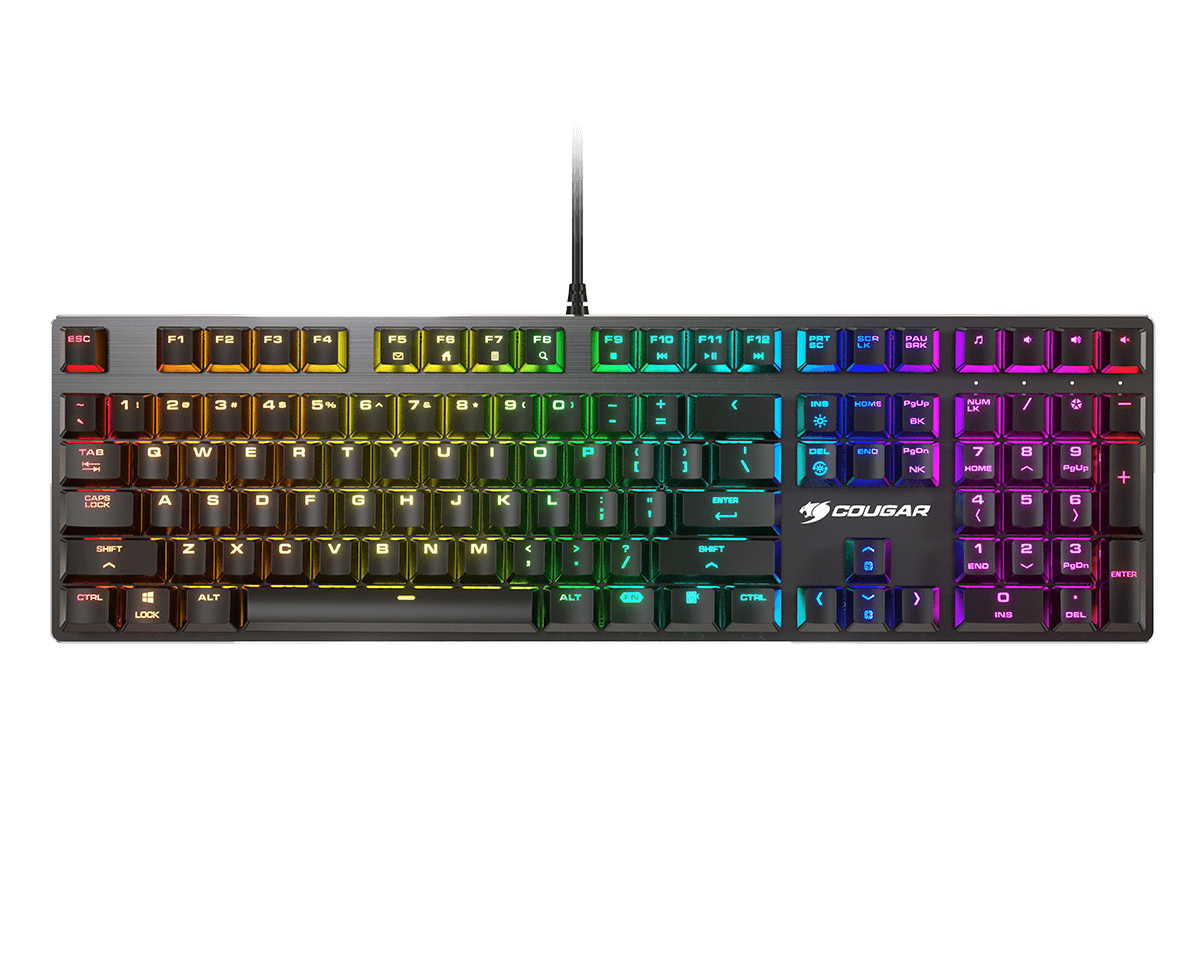
Best Gaming Keyboard In Lahore: What Actually Matters Before You Buy One
Most people walking into a shop looking for a gaming keyboard have already read three or four “top 10” lists online and still walk out confused. I get it. Half those lists are written by someone who’s never actually typed on the board they’re recommending. The specs sound impressive on paper, hot swappable this, N key rollover that, but none of it explains why one keyboard feels great after two hours of Valorant and another one leaves your wrist aching by round ten. That confusion is basically why the Best Gaming Keyboard In Lahore search keeps showing up so often, people aren’t looking for a spec sheet, they’re looking for someone to just tell them straight what’s worth the money.
So let’s actually break it down without the fluff.
Mechanical Or Membrane, And Why It’s Not Even Close
If you’ve narrowed things down to a shortlist, chances are you’re stuck between a mechanical board and a membrane one. Membrane keyboards are the cheaper, quieter option, fine if you’re gaming casually a few nights a week. But if you’re putting serious hours in, mechanical wins pretty easily. Each key has its own physical switch underneath it, so you get faster response and the thing just holds up longer, sometimes years longer than a membrane board that starts feeling mushy after six months of daily use.
This is usually where people notice a jump when comparing Gaming Keyboard Price In Pakistan listings side by side. Two keyboards that look almost identical from a photo can be miles apart in price purely because one’s mechanical and one isn’t. Boards using something like Cougar’s mechanical switches will cost more up front, sure, but if you’re playing competitively or typing all day between matches, that extra cost stops feeling like an extra cost after a few weeks.
What You’re Really Paying For At Each Price Point
Entry level boards, the kind under maybe six or seven thousand rupees, are usually membrane or very basic mechanical, limited lighting, nothing fancy but functional enough for casual play. Once you move up a bit, you start getting proper mechanical switches, better keycaps that don’t feel like cheap plastic after a month, and lighting that’s actually programmable instead of just one static color pretending to be RGB.
Higher up, you’re looking at aluminum plates, hot swappable sockets so you can literally change switch types without touching a soldering iron, and software for remapping keys or building macros. Honestly the Gaming Keyboard Price jump between entry and premium usually tracks pretty closely with these build changes, it’s not just a brand tax most of the time, though it never hurts to actually compare specs instead of assuming the pricier one automatically wins.
RGB Lighting Actually Does Something Useful
People roll their eyes at RGB sometimes, calling it a gimmick for people who care more about looks than performance. Fair enough, some of that criticism is deserved. But per key lighting, where you can set each individual key separately, is genuinely useful if you’re playing something with a lot of cooldown timers or ability keys, since you can color code them and glance down mid match instead of hunting for the right key. Cheaper boards usually only give you a few zones or preset effects cycling through, which looks fine on a desk setup but doesn’t actually help you play.
Little Things Worth Checking In Person
If you can get your hands on a board before buying it, do these two things. Press down near the center of the case. If it flexes noticeably, that’s a thinner plastic shell that probably won’t survive years of daily use without creaking. Then run your finger across a few keycaps. PBT plastic has a slight texture to it and won’t shine up over time, while cheaper ABS keycaps go glossy on the most used keys within a couple months, you’ve probably seen this on an old keyboard somewhere, the W A S D keys looking noticeably shinier than the rest.
Cable matters too, more than people think. A braided cable just holds up better against tangling and general wear compared to a plain rubber one, especially if it’s sharing desk space with a mouse cable and getting yanked around constantly.
Wired Still Wins For Serious Play
For anything genuinely competitive, wired is still the safer bet. Wireless has gotten a lot better over the past few years, but there’s still a slightly higher chance of input lag or a dropped connection at the exact wrong moment, and in a ranked match that one missed input can matter. That said, if you’re gaming casually or you want your desk cable free, a decent 2.4G wireless board performs close enough that most people genuinely won’t notice a difference outside high level competitive play.
Check What It Actually Costs Here Before Assuming
International pricing rarely lines up with what you’ll actually pay locally, once you factor in import duties, currency conversion, and whatever the distributor adds on top. That’s exactly why it’s worth checking real Gaming Keyboard Price In Pakistan listings from local sellers rather than eyeballing a US price and assuming it’ll be roughly the same here, it usually isn’t.
Also worth a quick check, does the brand even have local warranty support? A board that’s technically available through some international reseller but has zero service backup here becomes a real headache the moment a key stops registering or a switch dies early.
Match It To How You Actually Play
Someone grinding fast paced shooters wants quick, light actuation switches that respond the instant you tap them. Someone playing strategy games or typing a lot between sessions might honestly prefer something with a bit more tactile weight, easier on the hands over a long stretch. There’s no universal best board, no matter what the marketing on the box tries to tell you.
Figure out what you actually play most, how many hours a day you’re realistically sitting at the keyboard, and what you’re comfortable spending before you start narrowing down specific models.


